Costs · Buying
What it really costs to buy an apartment in the Dominican Republic
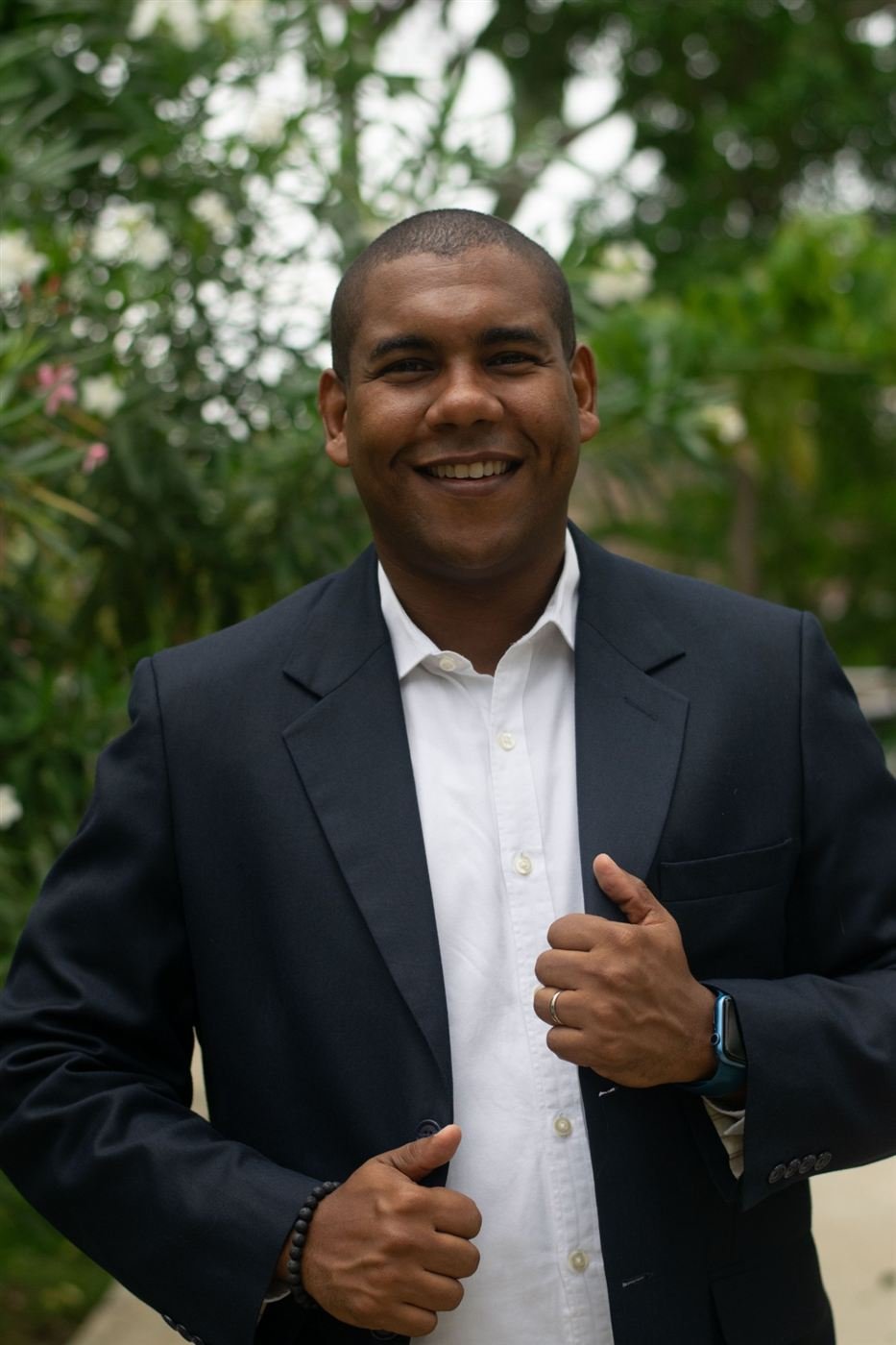 By Cristell Mejía, real estate advisorPublished Updated 8 min read
The listing price is not what an apartment ends up costing. Between taxes, the lawyer and, if you finance, loan costs, the purchase can add up to several thousand dollars more. Here is every cost, how much it is, who pays it and a complete example so it doesn't catch you by surprise.
Quick answer
- Budget between 5% and 8% of the price in closing costs if you buy with a loan, and somewhat less if you pay cash.
- The biggest cost is the transfer tax: 3%, paid by the buyer.
- If you finance, add the 2% mortgage registration on the loan amount.
- Low-cost housing (up to RD$5,450,851.12 in 2026) and projects with Confotur may be exempt from the 3%.
Want to know how much you would pay for a specific property?
Purchase taxes and costs
| Item | How much | Who pays |
|---|---|---|
| Real estate transfer tax | 3% of the higher of the contract price and the DGII (tax authority) appraisal | Buyer |
| Mortgage registration | 2% of the loan amount | Buyer, if financing |
| Legal fees | Usually around 1% of the price | As agreed |
| Appraisal, insurance and loan origination | Varies by bank | Buyer, if financing |
| Certificates and Title Registry fees | Smaller amounts | As agreed |
The transfer tax is set by Law 173-07 and is paid before the Title Registry issues the certificate in your name. A detail many people don't know: the base is the higher value between what your contract says and the DGII appraisal, not necessarily what you paid.
Example: a US$120,000 apartment with a loan
Say you buy a US$120,000 apartment, pay 20% from your savings and finance 80% (US$96,000).
| Item | Calculation | Approximate amount |
|---|---|---|
| Transfer tax | 3% of US$120,000 | US$3,600 |
| Mortgage registration | 2% of US$96,000 | US$1,920 |
| Lawyer | Around 1% of US$120,000 | US$1,200 |
| Appraisal, insurance and other | Estimate | US$500 to US$1,000 |
| Total closing costs | US$7,220 to US$7,720 (6% to 6.4%) |
If you pay cash, you save the mortgage registration and bank costs, and the total drops to around 4% or 5%. The exact amounts depend on the DGII appraisal, the bank and the lawyer; I confirm them in writing before you sign.
Exemptions in force in 2026
- Low-cost housing: homes priced up to RD$5,450,851.12 in 2026, bought with financing, may be exempt from the 3% transfer tax. The DGII updates the cap every year (Resolution DDG-AR1-2026-00001).
- Confotur (Law 158-01): on the first sale of units in approved tourism projects.
- Law 171-07: pensioners and people with foreign-source income who meet the requirements may be exempt on their first property.
Each exemption has conditions. Before counting on one, confirm it for your case.
If you buy pre-construction
When you buy an apartment under construction, the price is split into the reservation, signing, installments during construction and a final payment at delivery. Transfer taxes are paid at the end, when the title is transferred.
Two points to check in the contract:
- Price adjustments. Some contracts include a clause tied to the Housing Construction Direct Cost Index (ICDV). If construction costs rise, the price may be adjusted. The index is published monthly by the National Statistics Office (ONE); in 2025, labor was the component that rose the most.
- The payment at delivery. It is usually between 65% and 80% of the price. If you plan to finance it, get pre-qualified early.
For example, at Parques del Este Residences you pay 20% before delivery and 80% at delivery; at Brisas de Las Colinas 6, 30% before and 70% at the end.
Costs after you buy
- Condo maintenance fee: a monthly fee covering common areas, security and building services.
- Real estate property tax (IPI): 1% per year on the value of your properties above RD$10,695,494 in 2026. If your total real estate holdings are below that, you don't pay.
- Property insurance: required if you have a loan and advisable even if you don't.
- Furniture and equipment: especially if you plan to rent it furnished.
Frequently asked questions
Who pays the transfer tax, the buyer or the seller?
The buyer. It's required for the Title Registry to issue the certificate in their name.
Can I include closing costs in the loan?
They are normally paid with your own funds. Some banks have products with special conditions; we confirm it with the bank you choose.
Does everyone pay the IPI?
No. Only individuals whose real estate holdings exceed RD$10,695,494 in 2026, and only on the excess. There are exclusions, for example for the sole home of people aged 65 or older.
I'll prepare the full calculation for the property you're interested in, in writing.
Sources (in Spanish)
- Juan David Botero Salcedo, “Guía: cuánto paga en impuestos quien compra, construye o alquila un inmueble en República Dominicana”, inmobiliario.do, June 2026.
- DGII, Guía del Impuesto al Patrimonio Inmobiliario (IPI).
- “Exención del IPI y vivienda de bajo costo: qué cambió en 2026 según la DGII”, Siempre al Día.
- Oficina Nacional de Estadística (ONE), Índice de Costos Directos de la Construcción de Viviendas (ICDV).
- “Viviendas en RD subieron de precio en 2025 por incremento en la mano de obra”, El Nuevo Diario.
Cristell MejíaReal estate advisor with Plusval, with over 10 years in sales and over 5 in real estate. He helps people buy, sell and invest in Santo Domingo and Punta Cana. Learn more about me.