Complete guide · Investment
Investing in Dominican Republic real estate: what to know before you buy
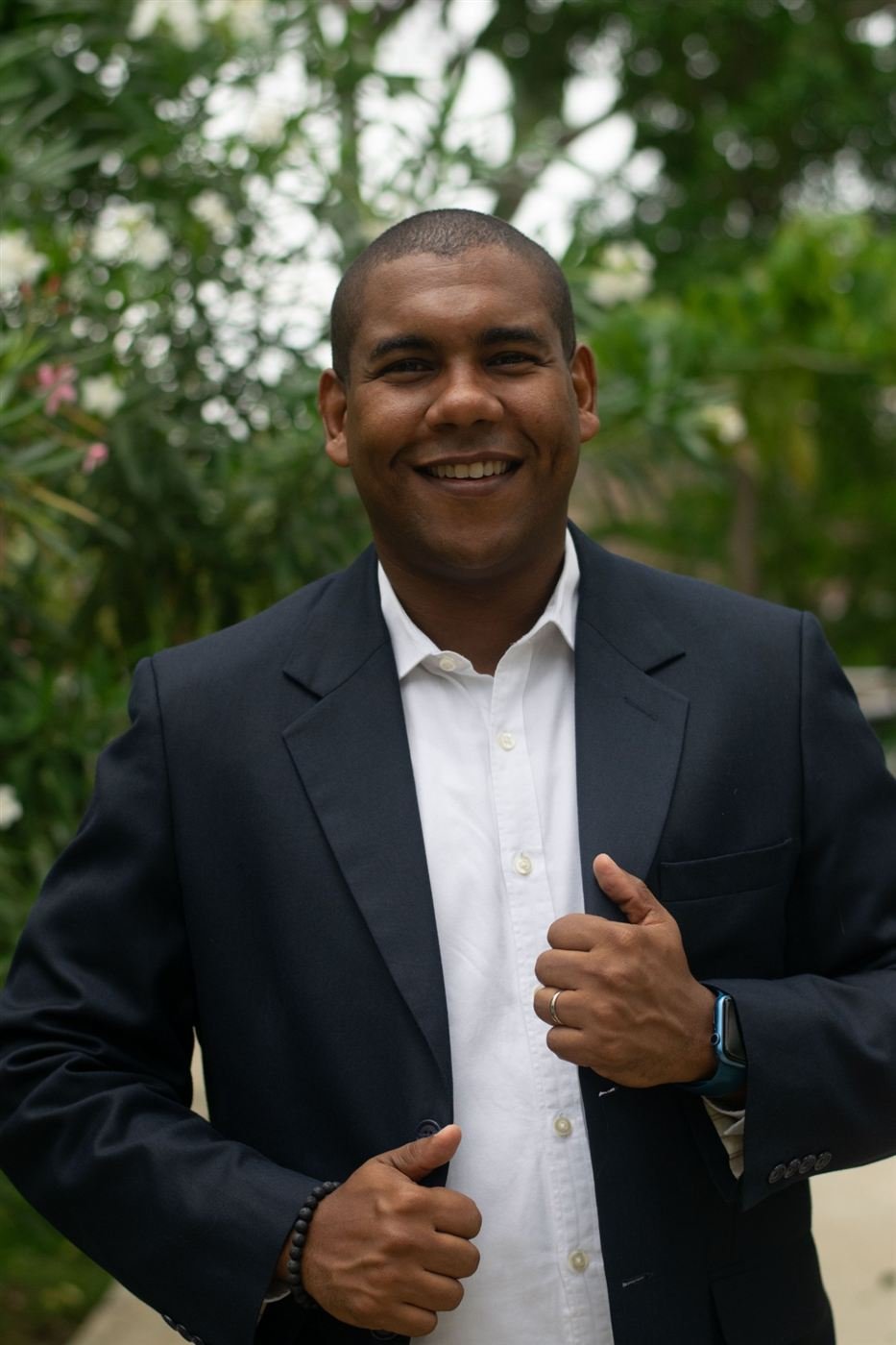 By Cristell Mejía, real estate advisorPublished Updated 10 min read
Investing in an apartment in the Dominican Republic can give you a rental yield higher than in many markets. But the figure you see in an ad is almost never what ends up in your pocket. This guide sums up what I review with every client before recommending an investment: real numbers, areas, the risks of buying pre-construction, taxes and incentives.
Quick answer
- Santo Domingo has an average gross rental yield of 9.08% per year; Punta Cana and Bávaro, 6.48% (Global Property Guide).
- After expenses, vacant months and taxes, the net return is usually several points lower.
- Buying pre-construction gives you a better entry price and time to pay, but you need to review the developer, trust, permits and contract.
- When you buy, you pay a 3% transfer tax, unless an exemption applies, such as Confotur or low-cost housing.
Have a budget in mind? I'll prepare a comparison with clear numbers.
Why invest in real estate in the Dominican Republic?
Foreign investment in Dominican real estate keeps growing. According to an analysis published in Diario Libre (in Spanish) at the end of September 2026, that investment reached US$915.2 million in 2025, 14.6% more than in 2024. The United States contributed US$352.6 million, 38.5% of the total.
Three reasons explain that interest:
- High rental yields compared with other countries in the region.
- Economic stability: the same analysis reports GDP growth of 4.5% in the first half of 2026 and 6.7% in construction.
- Legal incentives for tourism projects, such as Confotur.
Add to that the Dominican diaspora, who buy for their parents, for vacations, to retire or as an asset in their home country.
Gross and net returns: the difference that matters
The gross yield divides the annual rent by the purchase price. It's the figure that gets published the most. The net yield deducts what it costs to keep the property. That's the one that really counts.
An example with round numbers
| Item | Annual amount |
|---|---|
| Apartment price | US$120,000 |
| Rent: US$900 per month × 12 | US$10,800 |
| Gross yield | 9.0% |
| One vacant month per year | − US$900 |
| Condo maintenance fee (US$100 per month) | − US$1,200 |
| Repairs and insurance (estimate) | − US$600 |
| Net income before taxes | US$8,100 (6.75%) |
This example is to understand the calculation, not a promise. In your case the price, the area's rent, the maintenance fee and, if you finance, the loan interest will change. You must also declare rental income: for individuals it is taxed as income, on a progressive scale of up to 25%.
Where to invest? It depends on what you want to achieve
“Santo Domingo or Punta Cana?” is the question I get most, and it's a trick question: the right area depends on why you're buying. The same property can be a great investment for one person and a mistake for another. These are the scenarios I see most with my clients. You'll probably recognize yourself in one of them.
1. You want to vacation there and have the property pay for itself while you're away
Here the beach and tourist demand rule: Bávaro, Punta Cana or Boca Chica. Nightly rentals can earn more than a long lease, but income rises and falls with the season, and someone has to clean, welcome guests and maintain the unit. One figure decides whether this strategy works: how many nights a year you'll use it yourself. With that number we do the real math.
2. You want steady monthly income
For long-term rentals, on a one-year lease, Santo Domingo usually wins. According to Global Property Guide, the city's average gross yield is 9.08%, and 2-bedroom apartments perform best (9.77%). But two areas at the same price can rent very differently: proximity to offices, universities and main roads matters more than finishes. That's where choosing the right neighborhood makes the difference.
3. You want short-term rentals in the city
Executives passing through, diaspora families visiting, business travelers. In central areas of Santo Domingo there is demand for short stays, but not every condo allows it. Before you reserve, you need to read the building rules, because a single clause can change the whole plan.
4. You'll live in it and want it to be a good investment too
Buying your first home is also an investment: you stop paying rent and the property can gain value. Here the entry price is key. According to Revista Mercado (in Spanish), the average price per square meter is US$2,119 in the Distrito Nacional and US$1,120 in Santo Domingo Este. That's why many families look at projects like Parques del Este Residences or Brisas de Las Colinas 6.
5. You're buying from abroad, for your family or your retirement
If you live in the United States and are buying for your parents or to come back someday, the priorities change: safety, nearby services, simple maintenance and a payment plan that doesn't squeeze you. Buying pre-construction lets you pay in installments today and receive the property when you'll need it. I explain it step by step in how to buy in the DR while living in the United States.
6. You want to buy pre-construction to resell
Getting into a good project early can leave you with appreciation at delivery. But not every contract allows you to assign the unit before it's finished, and some charge a fee to do so. It's the scenario with the most potential and also the one that needs the most review.
Which scenario are you in, or are you between two? Tell me and I'll prepare a comparison with numbers for your case.
Yields: Global Property Guide, data as of September 2025, cited by inmobiliario.do.
Buying pre-construction: advantages and risks
Buying before the project is built is today the most common way to invest in the DR. It has clear advantages:
- A lower entry price than a finished property.
- The down payment is paid in installments during construction.
- More units to choose from.
- Possible appreciation while it's being built.
And risks you shouldn't ignore: delivery delays, changes to specifications or, in the worst case, the project not being finished. Bienvenido Paulino Columna, with 40 years in the Dominican market, puts it this way:
“Reserving is not selling. Signing is not finishing either.”Bienvenido Paulino Columna, Comprar en planos: confianza y responsabilidad (translated from Spanish)
A project with a trust (fideicomiso) brings order to how the money is managed and more transparency, but it doesn't remove every risk. Trusts are regulated by Law 189-11, and even with one you still need to review the developer's track record, the construction quality, the legal status of the land and the contract.
Taxes and costs of an investment
| Tax or cost | How much | When |
|---|---|---|
| Real estate transfer tax | 3% of the higher of the price and the DGII (tax authority) appraisal | When the title is transferred |
| Mortgage registration | 2% of the loan amount | If you finance |
| Real estate property tax (IPI) | 1% per year on the amount above RD$10,695,494 (2026) | Every year, if your real estate holdings exceed that amount |
| Rental income tax | Progressive scale of up to 25% (individuals) | In your annual tax return |
I explain it with a full example in what it really costs to buy an apartment in the DR.
Confotur: when it applies and when it doesn't
Confotur is the incentive regime under Law 158-01 for approved tourism projects. For someone buying a unit in one of those projects, the benefits can include an exemption from the transfer tax on the first sale and from the IPI for a period of up to 15 years, plus exemptions on rental income in some cases.
The key point: it only applies if the project has the approved classification. Many residential projects in Santo Domingo don't have it. If someone offers you Confotur, ask for the resolution that approves it.
Common investing mistakes
- Calculating with the gross yield. Do the net calculation, including vacant months.
- Buying on price instead of value. Something cheap in an area with no rental demand ends up expensive.
- Believing in guaranteed rents. Nobody controls the rental market. Be wary of promises.
- Not reviewing the contract. Deadlines, delay penalties and price adjustment clauses must be clear before you sign.
- Not planning the final payment. If you'll finance the balance due at delivery, confirm early how much the bank would approve.
Checklist before you reserve
- What am I buying for: to live in, rent, resell or protect my assets?
- Can I comfortably pay the installments without relying on rent?
- Who develops and builds it, and what have they delivered before?
- Is there a trust? What does it cover?
- Does the project have permits? Is the land title clean?
- What does the contract say about delays, changes and cancellation?
- How much will it cost to close, and how much to maintain?
Frequently asked questions
Can a foreigner buy property in the Dominican Republic?
Yes. Foreigners can buy real estate in the DR with the same property rights as a Dominican. You need your passport and must meet the transaction's due diligence requirements.
How much do I need to start investing?
In pre-construction projects you can reserve with small amounts, for example US$500, and pay the down payment in installments. In the projects I have today, prices start at US$81,718.
Is Airbnb or a long-term rental better?
It depends on the area and your time. Vacation rentals can earn more in tourist areas, but with more expenses and management. In Santo Domingo, long-term rentals are usually more stable. Also check whether the condo allows short-term rentals.
Want to run the numbers on a specific investment?
Sources (in Spanish)
- Enrique Segura Quiñones, “Rendimiento por alquiler”, Diario Libre, September 30, 2026.
- Aylin Valentin, “Proyecciones 2026: Santo Domingo y Punta Cana liderarán retornos en alquiler, según Global Property Guide”, inmobiliario.do, January 2026.
- Bienvenido Paulino Columna, “Comprar en planos: confianza y responsabilidad”, inmobiliario.do, September 2026.
- Juan David Botero Salcedo, “Guía: cuánto paga en impuestos quien compra, construye o alquila un inmueble en República Dominicana”, inmobiliario.do, June 2026.
- “Así está el precio de la vivienda en República Dominicana en 2026”, Revista Mercado.
Cristell MejíaReal estate advisor with Plusval, with over 10 years in sales and over 5 in real estate. He helps people buy, sell and invest in Santo Domingo and Punta Cana. Learn more about me.